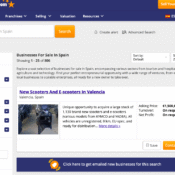
Buying an existing business in Spain can be an attractive way to enter the European market, especially for foreign investors looking to benefit from the country’s strong tourism sector, real estate growth, and expanding digital economy. Spain’s business acquisition process is well-regulated but can be complex, requiring due diligence, legal support, and strategic planning. This guide explains the full process of purchasing a business in Spain — from market research to final transfer of ownership.
1. Understand the Market and Legal Framework
Before starting, familiarize yourself with the Spanish business landscape. Spain has several thriving sectors for acquisition, including:
- Tourism and hospitality (hotels, restaurants, vacation rentals)
- Real estate and construction
- Technology startups and digital services
- Agriculture and renewable energy
Spain allows both residents and non-residents to buy businesses. However, foreign buyers must obtain a NIE (Número de Identificación de Extranjero) — a tax identification number required for all financial and legal transactions.
2. Decide on the Type of Acquisition
There are two primary ways to buy a business in Spain:
- Share Purchase (Compra de acciones o participaciones)
You buy the company’s shares, taking over both its assets and liabilities. This is common for limited companies (Sociedades Limitadas or Sociedades Anónimas).
- Asset Purchase (Compra de activos)
You buy specific business assets (equipment, contracts, goodwill, etc.) without assuming liabilities. This approach is simpler for small businesses, such as restaurants, shops, or service firms.
3. Conduct Due Diligence
Before committing, perform comprehensive due diligence. Engage Spanish professionals — typically a lawyer (abogado) and accountant (asesor contable) — to verify the business’s financial, legal, and tax standing. Key checks include:
- Financial statements for the past 3–5 years
- Tax records and outstanding liabilities
- Employee contracts and social security payments
- Lease or property ownership documents
- Intellectual property and licenses
- Existing contracts or pending litigation
A notario (public notary) will later verify documentation, but professional review before that stage is essential to avoid hidden risks.
4. Negotiate and Sign a Letter of Intent (LOI)
Once the business passes preliminary checks, negotiate the terms of sale:
- Purchase price and payment terms
- Transfer of employees, assets, and intellectual property
- Transition period or seller involvement post-sale
The Letter of Intent (Carta de Intenciones) outlines these key terms and grants exclusivity while final due diligence and contract drafting take place.
5. Draft and Sign the Purchase Agreement
The Purchase Agreement (Contrato de Compraventa) formalizes the transaction. It must include:
- Identification of parties (buyer and seller)
- Description of the business or assets
- Price, payment structure, and conditions precedent
- Guarantees and indemnities
- Transfer of licenses, leases, and permits
This contract is usually signed before a notary public, who certifies the legality of the transaction.
6. Complete the Legal Transfer
Once signed before the notary:
- The ownership is officially transferred, and payment is made (often via certified bank transfer).
- The notary registers the new ownership in the Mercantile Registry (Registro Mercantil) if it’s a company acquisition.
- For asset purchases, only certain assets (like real estate) require registration.
7. Tax and Regulatory Obligations
Buyers must handle several tax considerations:
- Transfer Tax (ITP or IVA): Depending on the type of purchase (shares vs. assets).
- Stamp Duty (Actos Jurídicos Documentados): For certain notarized documents.
- Corporate Income Tax (Impuesto de Sociedades): If the company continues operating.
It’s advisable to consult a Spanish tax advisor to structure the acquisition efficiently.
8. Post-Acquisition Steps
After the transfer, the buyer should:
- Update tax, social security, and local authority records.
- Transfer utilities, leases, and supplier agreements.
- Communicate the ownership change to employees, customers, and partners.
- Register for VAT (IVA) and obtain any necessary operating permits.
9. Financing Options
If you require financing, Spain offers several options:
- Bank loans (with collateral requirements)
- Private investors or venture capital (for high-growth businesses)
- Government grants and EU funding (especially for green or innovative ventures)
Foreign buyers often use a Spanish holding company (Sociedad Limitada) to simplify taxation and liability management.
10. Engage Local Experts
Successfully buying a business in Spain depends on working with qualified professionals:
- Abogado (lawyer) – handles contracts and compliance
- Asesor fiscal (tax advisor) – optimizes tax obligations
- Gestor (administrative consultant) – manages paperwork and registrations
- Notario (public notary) – authenticates the transaction
Final Thoughts
Acquiring a business in Spain offers access to a vibrant market, European legal stability, and attractive opportunities in tourism, tech, and real estate. However, Spain’s legal and tax systems are detailed and bureaucratic — making professional assistance essential. With careful due diligence and a structured approach, foreign investors can acquire profitable operations and integrate smoothly into the Spanish business ecosystem.